
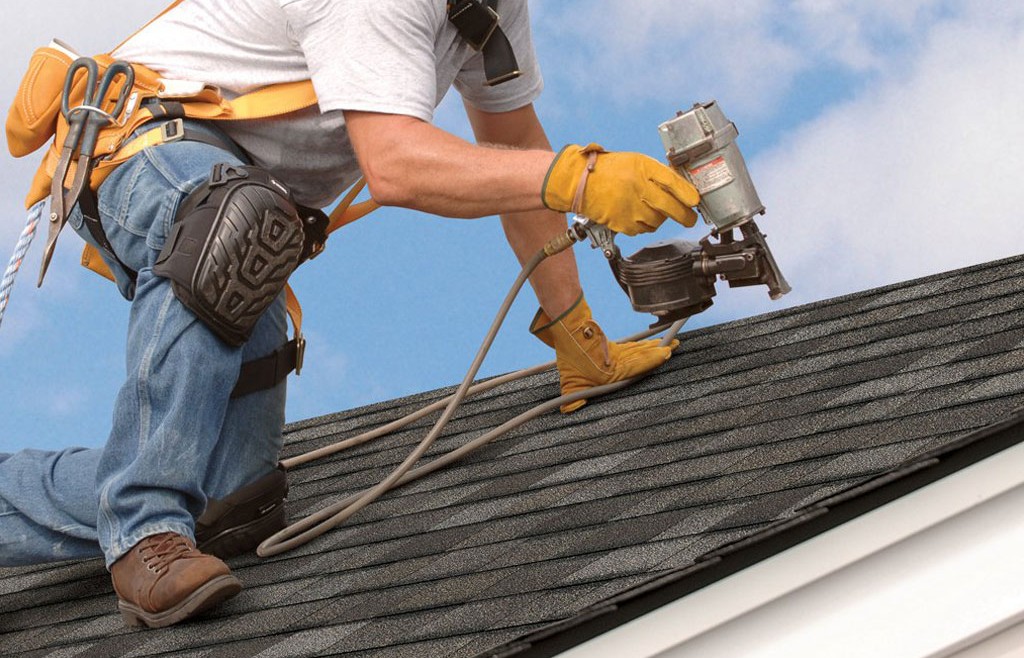
If you live anywhere between Gosford and The Entrance, you already know the drill. The Central Coast gives you beaches, bush, and a lifestyle most of Sydney would trade a harbour view for — and in return it takes it out on your roof. Salt air off the water, humidity that never really leaves, sudden southerly busters, and the odd hailstorm that turns your driveway into a xylophone. Your roof cops all of it, every single day, while you’re down at the beach pretending everything’s fine.
Here’s the thing about “she’ll be right” as a roofing strategy: it works right up until it doesn’t. A hairline crack in a ridge cap doesn’t announce itself. It just quietly lets water in, drip by drip, until one day you’ve got a damp patch on the ceiling shaped suspiciously like Tasmania and a much bigger bill than you would’ve had if you’d sorted it two years earlier.
This guide is the straight-talking, no-jargon rundown on what actually goes on with roofs up here on the Coast — what to look for, what your options are, and when it’s time to stop squinting up at the roofline from the backyard and actually get someone qualified up there. We’re Bass Roof Restoration, based in The Entrance North and working right across the Central Coast, and we’ve spent the better part of two decades pulling moss off tiles, chasing leaks, and giving tired old roofs a second life. So we’ve seen a thing or two.
Why Central Coast Roofs Age Differently
Roofs inland get a comparatively easy run. Roofs here don’t. The combination of salty coastal air, high moisture, and UV exposure is a genuinely rough trio for roofing materials. Salt is corrosive to exposed metal fixings and Colorbond sheeting near the coast, moisture feeds moss, lichen and algae on tile roofs (especially the shaded, south-facing sections that never quite dry out), and constant UV bakes protective coatings until they crack and chalk.
Add in the storm season — which on the Coast can mean anything from a gusty afternoon to a full-blown east coast low — and you’ve got a roof that’s working overtime compared to its cousins out west. That’s not scaremongering, it’s just physics. It’s also exactly why a decent chunk of our work as a roofing company Central Coast locals actually trust is preventative — catching problems while they’re still cheap to fix.
The Tell-Tale Signs Your Roof Wants a Chat
Roofs are stoic. They don’t complain loudly, they just deteriorate quietly in the background until the evidence turns up somewhere inconvenient, like your ceiling. Keep an eye out for:
- Dark green or black staining on tiles (that’s moss, algae or lichen, not “character”)
- Cracked, slipped or missing tiles after a windy night
- Ridge capping mortar that’s crumbling or lifting away from the ridge tiles
- Rust spots or flaking paint on metal roofing, particularly around fixings
- Sagging gutters, or gutters overflowing in normal rain (not just downpours)
- Water stains, bubbling paint, or a musty smell inside the roof cavity or ceiling
- A general “this roof looks tired” feeling when you actually stop and look at it properly
If two or more of those sound familiar, it’s worth getting a proper set of eyes on it. Our roof services Central Coast page runs through the full breakdown of what a proper inspection actually covers and it’s a genuinely useful read if you’re the type who likes to understand the “why” before booking anyone in.
Terracotta Roofs: Old-School Charm, Modern Headaches
Terracotta tile roofs are everywhere on the Coast, and for good reason — they look fantastic, they last for decades, and there’s something satisfying about a roof that was clearly built to outlast the house’s second owner. The catch is that terracotta is porous. It soaks up moisture, which is exactly what moss and lichen are looking for, and over the years the tiles can become brittle, especially where the original glaze has worn thin.
A proper terracotta roof restoration Central Coast job isn’t just a pressure wash and a lick of paint. It typically involves replacing cracked or broken tiles, re-bedding and repointing the ridge capping (the mortar that holds your ridge tiles in place — it’s usually the first thing to fail), a thorough clean to strip off years of grime and growth, then a sealant and coating system to protect the tile and lock in the colour. Done properly, it can add another 15-plus years to a roof that was starting to look like it belonged on a heritage list. We’ve written a much deeper dive on the specifics over on our terracotta roof restoration Central Coast page if you want the full technical rundown.
Cement Tile Roofs: Sturdy, But Not Invincible
Cement tiles came along a bit later than terracotta and are common across newer Central Coast estates. They’re tough and reasonably weather-resistant, but they’ve got their own quirks — namely, cement tiles rely heavily on their surface coating for colour and water resistance. Once that coating starts breaking down (usually somewhere around the 15 to 20 year mark, faster in exposed, salty locations), the tiles can become porous, start absorbing water, and develop that chalky, faded look you’ve probably clocked on a few older homes around Wyong or Tuggerah.
Cement roof restoration Central Coast work generally follows a similar process to terracotta — repair, clean, re-bed and repoint ridge caps, then reseal and recoat — but the products used are matched specifically to how cement substrates behave, which matters more than people think. Get it wrong and the coating won’t bond properly, and you’re back to square one within a couple of years. There’s a full breakdown of the process on our cement roof restoration Central Coast page, including what’s actually included in a proper job versus a rushed one.
Roof Painting: Not Just About Looking Good
We’ll be honest — a fresh coat does wonders for kerb appeal, and if you’re getting the place ready to sell, a repainted roof is one of the better dollar-for-dollar improvements you can make. But treating roof painting as purely cosmetic misses the point. The coating system is your roof’s primary defence against UV, salt and moisture. A tired, chalky, unprotected roof surface lets water soak into tiles and speeds up deterioration significantly.
Quality roof painting Central Coast work uses coatings specifically formulated to handle coastal conditions, applied over a properly prepared and primed surface — because paint slapped over dirt, moss or flaking old coating will peel within a season, no matter how good the paint itself is. If you’re weighing up colours, our color chart is a handy way to see options against different roof styles before committing to anything, and you can find more detail on the process itself over on the roof painting Central Coast page.
Roof Cleaning: The Job Everyone Underestimates
There’s a reason moss and lichen love Central Coast roofs — they thrive in exactly the damp, salty, shaded conditions we’ve got in spades. And beyond the visual — nobody wants a roof that looks like it’s growing its own ecosystem — that buildup actually holds moisture against the tile or sheet, accelerating decay and, in the case of tiled roofs, lifting tiles slightly as roots and growth work their way under edges.
Professional roof cleaning Central Coast services use controlled pressure washing calibrated to the roof material (too much pressure on ageing terracotta can crack tiles, which is a lesson best learned from someone else’s mistake, not your own), followed by treatments that slow regrowth. It’s also a smart move before any repainting or restoration work, since paint won’t adhere properly to a roof covered in grime. Have a look at the roof cleaning Central Coast page for the full method we use.
Roof Repairs: Small Jobs That Save Big Money
Not every roof issue needs a full restoration. Sometimes it’s a handful of cracked tiles after a storm, a section of lifted ridge capping, or a leak around a skylight or vent flashing. These are the jobs that are cheap and quick to fix while they’re small — and expensive and messy once water’s had six months to find its way into your ceiling cavity, insulation and eventually your plasterboard.
If you’ve had storm damage, spotted a leak, or just noticed something looks off, getting roof repairs Central Coast sorted promptly is genuinely one of the best-value things you can do as a homeowner. Full details on what we cover — from tile replacement to flashing repairs and everything in between — are on the roof repairs Central Coast page.
Colorbond and Metal Roofs: Coastal Corrosion Is Real
Metal roofing has genuine advantages up here — lighter, quick to install, and modern Colorbond finishes are engineered to handle a fair bit of punishment. But “handle a fair bit” isn’t the same as “immune,” and older metal roofs, or ones with lower-grade steel or ageing fixings, can develop rust, particularly around screw fixings and where dissimilar metals meet (a corrosion process called galvanic corrosion, if you want to sound clever at a barbecue).
Sometimes a metal roof just needs recoating and fixing replacement. Other times, particularly on older homes, a colorbond roof replacement Central Coast homeowners go for is genuinely the better long-term call rather than sinking money into patching a roof that’s fighting a losing battle against rust. It’s also a popular option for tile-to-metal conversions, which cuts weight on the structure and modernises the whole look of the house. Our colorbond metal roof replacement Central Coast page runs through when restoration makes sense versus when replacement is the smarter spend.
Gutters, Fascias and the Bits Everyone Forgets
Gutters get zero credit until the days they overflow into your ceiling cavity during a storm, at which point they suddenly become the most important part of the house. Fascias — the boards your gutters are fixed to — take a beating from constant moisture exposure and, once they start rotting or rusting (on metal fascias), your gutters lose proper support, which is how you end up with sagging, pooling and overflow even in fairly ordinary rain.
A gutter replacement Central Coast job is often paired with a broader roof restoration, since it makes sense to sort the whole water-management system at once rather than doing it piecemeal. New gutters, downpipes and fascias also genuinely change how a house looks from the street — it’s one of those upgrades that punch well above its cost. More detail is over on the fascias and gutter replacement Central Coast page.
Choosing the Right Roofing Company on the Coast
Here’s a bit of blunt, unpaid advice: get more than one quote, ask what warranty is actually offered (in writing, not just verbally), and ask what the process actually involves step by step. A vague answer to that last question is usually a red flag. A roofer who can walk you through inspection, repair, cleaning, re-bedding, sealing and painting in plain English, and back it with a proper warranty, is generally one who knows what they’re doing.
We back our own work with a 12-year warranty, we’re fully insured, and — genuinely — we’d rather give you honest advice about what your roof actually needs than upsell you on something it doesn’t. Have a squiz through our work portfolio to see the sort of transformations we’re talking about, from tired old terracotta jobs through to full Colorbond replacements across Gosford, Woy Woy, Terrigal, Erina, Umina Beach and Tuggerah. We also share more roofing tips and local know-how over on the blog, if this sort of thing scratches an itch for you.
Frequently Asked Questions
How much does a roof restoration actually cost on the Central Coast? It varies quite a bit depending on roof size, material, pitch, and how much repair work is needed before cleaning and coating even start. A roof with a handful of cracked tiles and reasonable ridge capping will cost less than one that needs extensive re-bedding and repointing. The only reliable way to get an accurate figure is a proper on-site inspection — quotes based on a phone description alone tend to be optimistic guesses at best.
Is it better to restore my roof or replace it? If the underlying structure and materials are sound — no widespread cracking, minimal rust, no structural sagging — restoration is almost always the more cost-effective option and can extend the roof’s life significantly. Replacement becomes the smarter call when a roof has persistent leaks from multiple points, extensive rust on metal roofing, or a large percentage of tiles that are cracked, porous or beyond saving. A decent roofer should be upfront with you about which category your roof falls into, rather than defaulting to whichever option costs more.
How often should a Central Coast roof be cleaned? Given the local moisture and salt exposure, most tiled roofs benefit from a clean every two to four years, sometimes sooner on heavily shaded or south-facing roofs where moss establishes faster. Metal roofs can generally go a bit longer between cleans, though it’s worth an occasional visual check for rust or debris buildup around valleys and gutters regardless.
Will restoring my roof stop leaks completely? A proper restoration addresses the common causes of leaks — cracked tiles, failed ridge capping, deteriorated flashings, worn sealant — so in most cases, yes, it resolves existing leak points. That said, if there’s an underlying structural issue, like a sagging roofline affecting drainage that needs to be identified and addressed separately, since coating alone won’t fix a structural problem.
Do I need council approval for roof restoration or a Colorbond replacement? Most straightforward restorations don’t require approval since they’re not altering the roof’s structure or footprint. Replacements, particularly ones changing roof material (tile to metal, for example) or roof height, sometimes do require council notification or approval depending on your local council and property zoning — worth checking before work starts if you’re doing a material change rather than a like-for-like restoration.
What’s actually included in a roof restoration warranty? This is worth asking directly rather than assuming, because warranties vary enormously between companies. A solid warranty should cover both materials and workmanship, be provided in writing, and clearly state the duration and what would void it (like failing to maintain gutters, for instance). If a company is cagey about putting warranty terms in writing, that tells you something too.
The Bottom Line
Your roof isn’t glamorous. Nobody posts photos of it on a Sunday arvo. But it’s quietly doing the most important job in the house — keeping the weather out — and on the Central Coast, that’s a bigger ask than most people realise. A bit of attention now, whether that’s a clean, a repair, a repaint, or a full restoration, saves you from a much larger and much less fun conversation with your insurer down the track.
If you’ve read this far and found yourself nodding along at the “damp patch shaped like Tasmania” bit, it might be time to get someone up on the roof. Get in touch with Bass Roof Restoration for a free, no-pressure quote, and we’ll tell you straight what your roof actually needs — nothing more, nothing less.