
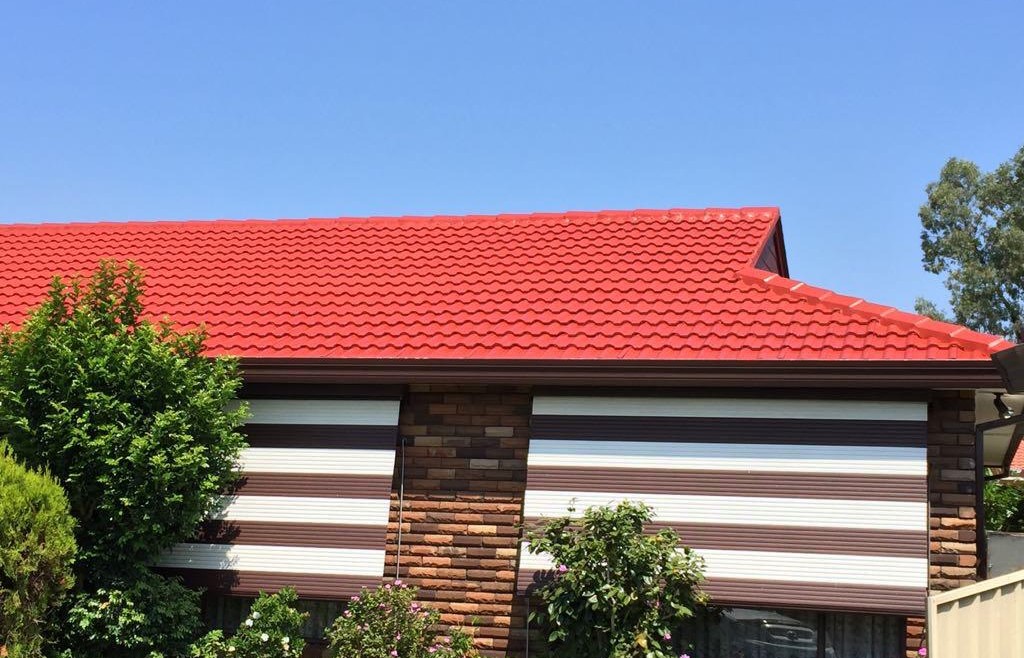
There’s a moment every Central Coast homeowner has had. You’re backing out of the driveway, or watering the frangipani, or just standing there with a coffee wondering why the neighbour’s dog is barking at nothing again, and you glance up. And there it is. Your roof, looking like it’s been through a few too many summers without so much as a wipe-down. Green streaks down the terracotta. A dull, chalky metal roof that used to be a sharp Colorbond charcoal and is now more “storm cloud that gave up.” A fascia board doing its best impression of a wet cardboard box.
Nobody wakes up excited about their roof. That’s fair enough — it’s the one part of the house you never actually look at unless something’s dripping. But here on the Central Coast, between the salt off the water at Terrigal, the humidity that rolls in over Erina, and the leaf litter that Wyong’s bushland is only too happy to donate to your gutters, roofs cop more punishment than most people realise. And ignoring it doesn’t make the problem go away — it just makes the eventual bill bigger.
This is your no-nonsense, occasionally cheeky, genuinely useful guide to what’s going on up there, what you can actually do about it, and why so many locals from Gosford to Woy Woy are turning to Bass Roof Restoration instead of just… hoping for the best.
Why Central Coast Roofs Age Faster than You’d Expect
If you’ve ever wondered why your mate’s roof in a drier inland suburb still looks half-decent after fifteen years while yours near the water is already sulking after ten, it’s not bad luck. It’s chemistry, basically.
Salt-laden air corrodes exposed metal fixings and accelerates the breakdown of protective coatings. Add in the region’s humidity — which is basically a five-star resort for moss, lichen and mould — and you’ve got a climate that’s working against your roof pretty much year-round. Terracotta and cement tiles lose their protective glaze over time and become porous, soaking up moisture like a sponge. Colorbond sheeting can chalk and fade. Fascias, especially timber ones, cop rot from constantly trapped moisture behind clogged gutters.
None of this means your roof is doomed. It means it needs the right kind of attention at the right time, from people who understand the Central Coast climate specifically — not a generic “we do roofs everywhere” outfit working off a Sydney playbook. That’s the whole reason a genuinely local roofer on the Central Coast NSW matters more than people assume. Someone who’s restored roofs in Terrigal’s salt spray and someone who’s only ever worked inland are not solving the same problem.
Roof Restoration vs. Roof Replacement: The Question Everyone Gets Wrong
Here’s a myth that costs homeowners thousands of dollars a year: thinking a tired-looking roof automatically means a brand-new roof. In the vast majority of cases it doesn’t. Full roof replacement is expensive, disruptive, and honestly overkill for a roof that’s structurally sound but cosmetically over it.
Restoration is the smarter play for most homes. It’s a comprehensive process — not just a pressure wash and a promise — that typically includes a full inspection, repair of any cracked or broken tiles, re-bedding and repointing of ridge capping, a deep clean to strip away moss, lichen and grime, and then a sealing and painting system that protects the roof and genuinely extends its life. Done properly, it can add well over a decade back onto a roof that looked like it was on its last legs. You can see the full breakdown of what’s involved on the roof services page, which covers the whole process end to end.
The exceptions are roofs with serious structural damage, widespread cracking on tiles well past their prime or persistent leaks that keep coming back no matter what’s patched. In those cases, replacement genuinely is the better long-term investment. A decent roofer will tell you honestly which category yours falls into — not just push whichever job pays more.
Terracotta Tiles: Old Bones, Good Character
Terracotta roofs have a certain old-school charm that a lot of Central Coast homes were built around, particularly the older weatherboard and brick-veneer places dotted through Gosford and The Entrance. The trouble is, terracotta’s natural glaze wears down over the decades, and once that protective layer goes, the tile becomes thirsty — soaking up rainwater, growing moss in the grooves, and eventually cracking under freeze-thaw style stress (yes, even here, on cold snap mornings).
Restoring terracotta isn’t as simple as slapping paint on old clay. It involves careful cleaning that won’t damage the tile surface, replacing any that are cracked or broken, re-bedding loose ridge capping, and applying a breathable sealant designed specifically for terracotta rather than a generic roof coating. Get this wrong and you trap moisture under the tile, which causes more damage than doing nothing at all. If your roof’s looking patchy and tired, it’s worth reading through how a proper terracotta roof restoration job actually runs on the terracotta restoration page before you get three quotes that all sound completely different.
Cement Tiles: The Unsung Workhorse
Cement tile roofs are everywhere across Erina, Tuggerah and the wider Central Coast, mostly because they’re durable, affordable to install originally, and hold up well structurally. The catch is they’re prone to that same chalky, faded look once the factory coating breaks down, and they can develop porosity issues that let water seep in over time.
A proper cement roof restoration follows a similar rhythm to terracotta but uses different products suited to cement’s porous nature — typically a primer coat to seal the surface, followed by a durable topcoat that’s built to handle UV, salt air and the Central Coast’s swing between scorching summers and surprisingly cold winter mornings. Done well, a cement tile roof can look — and perform — like new for a fraction of what a full tile replacement would cost. There’s more detail on the process over on the cement roof restoration page, including the sort of prep work that separates a job that lasts twenty years from one that peels in three.
Roof Repainting: More than Just a Colour Refresh
People sometimes assume roof painting is purely cosmetic — like giving the place a lick of paint before a photo for the real estate listing. It’s not. A quality roof repaint is a protective system, not decoration. The right membrane seals hairline cracks, reflects UV to keep the roof cavity cooler (handy in a Central Coast summer), and adds a genuine barrier against the salt and moisture that cause premature ageing.
That said — yes, it does look fantastic too, and there’s nothing wrong with wanting street appeal. If you’re weighing up colours, it’s worth having a play with the colour chart before committing, because a roof colour is a fifteen-year decision, not a five-minute one. Roof repainting on the Central Coast works best when it’s paired with proper cleaning and repairs first — paints over grime and moss and you’re just buying yourself a shorter-lived, more expensive mistake. Full details on the process are on the roof painting page.
Moss, Lichen and the Great Green Invasion
Let’s talk about moss, because it’s the single most common complaint locals have, and also the most misunderstood. Moss on a roof isn’t just unsightly — it actively holds moisture against the tile or sheeting, which accelerates deterioration, lifts tiles, and can work its way under flashing to cause leaks you won’t notice until there’s a stain on the ceiling.
Roof moss removal on the Central Coast needs to be done properly, using techniques that clear the growth without damaging the surface or blasting protective coatings straight off with excessive pressure. A soft wash or controlled pressure clean, done by people who know the difference between “clean” and “stripped bare,” makes a genuine difference to how long the result lasts. If moss and grime are the main issue and the roof underneath is otherwise in decent shape, a straightforward clean might be all that’s needed — check out the roof cleaning page for what that involves and how it differs from a full restoration.
When It’s Repairs, Not a Restoration
Sometimes the answer isn’t the whole song and dance — it’s fixing the specific thing that’s actually broken. A handful of cracked tiles after a storm. A flashing that’s lifted. A leak around a skylight that’s been dripping into the roof cavity since March and everyone’s just been ignoring it (we see this a lot, no judgement).
Getting roof repair specialists on the Central Coast out for a targeted fix is often the fastest, most cost-effective solution, and a good tradesperson will tell you straight up if what you’re describing is a quick patch job or something bigger. The roof repairs page runs through the common issues Central Coast homes deal with, from storm damage to age-related wear.
Going Colorbond: The Upgrade a Lot of Homes Are Making
There’s been a noticeable shift towards Colorbond roof upgrades on the Central Coast, and it’s not hard to see why. Modern Colorbond steel handles the coastal climate impressively well when it’s properly installed, resists corrosion far better than older metal roofing, comes in a genuinely wide colour range, and tends to be lighter on maintenance long-term compared to ageing tile.
For homes with older, tired tile roofs where restoration no longer makes financial sense or metal roofs that have rusted past the point of a simple repaint, converting to a modern Colorbond system is often the smartest long-game move. It’s a bigger job than a straightforward restoration, so it pays to get proper advice on whether it suits your specific roof structure. The Colorbond roof replacement page covers what the upgrade actually involves, from removal of the old roofing to the final finish.
Fascias and Gutters: The Part Nobody Thinks About Until It’s a Problem
Here’s an uncomfortable truth — your fascia boards and gutters are doing a huge amount of quiet, unglamorous work protecting your home, and they’re usually the last thing anyone thinks to check. Rotting timber fascia, sagging gutters, or downpipes clogged with a decade of gum leaves can lead to water damage that has nothing to do with your actual roof surface and everything to do with poor drainage around the edges.
Fascia board replacement on the Central Coast is genuinely worth budgeting for alongside a roof restoration if your fascias are showing signs of rot, warping or rust (for metal fascias). Doing both at once also tends to work out cheaper than tackling them separately down the track, since the scaffolding and access are already sorted. The fascias and gutter replacement page has the full rundown on when patch repairs are enough and when full replacement makes more sense.
What Local, Family-Owned Actually Means
There’s a lot of noise in the roofing space — franchise operators, interstate outfits that pop up for a season and disappear, and companies whose “local team” is a call centre three states away. Bass Roof Restoration has been working on Central Coast roofs — genuinely, not just in the marketing copy — across The Entrance, Gosford, Erina, Terrigal, Woy Woy, Wyong and Tuggerah for over 20 years, backed by a 12-year warranty on the work. That’s not a sales line, it’s just what two decades of doing the same trade in the same region looks like: a crew that knows which suburbs cop the worst salt exposure, which roof styles are common in which era of home, and how to give an honest answer instead of an upsell.
If you want to see the standard of finish rather than just take our word for it, the work portfolio has before-and-afters from real jobs across the Coast — always a more honest indicator than a stock photo. And if you’re the type who likes to read up before making a decision (no judgement, you’re on a blog post right now), the blog has more deep dives into specific roofing topics worth a browse.
Frequently Asked Questions
How do I actually know if my roof needs restoration or full replacement? Start with a proper inspection rather than guessing from the ground. As a rough rule, if the roof structure is sound, the tiles or sheeting are mostly intact, and the issues are cosmetic (fading, moss, minor cracking), restoration will do the job and save you a considerable amount versus replacement. If there’s widespread cracking, persistent leaks that keep recurring after patching, or visible sagging in the roofline, replacement is usually the more sensible long-term call. A trustworthy roofer will tell you which situation you’re in rather than defaulting to the bigger job.
How long does a roof restoration actually take? Most residential restorations on the Central Coast take somewhere between two and five days, depending on roof size, pitch, and how much repair work is needed before cleaning and painting can start. Weather plays a role too — coatings need dry conditions to cure properly, so a job might extend slightly if there’s a rain patch mid-project. Anyone quoting you a firm one-day turnaround for a full restoration is either exaggerating or skipping steps.
Will restoring my terracotta roof change the colour, or can I match the original? Both are on the table. Restoration coatings can be tinted to closely match your existing terracotta shade if you love the current look, or you can use it as an opportunity to refresh the whole colour scheme — plenty of homeowners use a restoration as the moment to modernise. Having a look through the colour options beforehand makes the decision a lot easier than trying to picture it in your head.
Does salt air really affect Colorbond roofs differently than roofs further inland? Yes, noticeably. Homes closer to the coastline — think Terrigal, The Entrance, Ettalong — experience faster corrosion on exposed metal fixings and fasteners due to salt-laden air, even with quality Colorbond steel. This doesn’t mean Colorbond is a bad choice near the water; it means installation quality, fixing choice, and maintenance schedule matter more than they would fifty kilometres inland.
What’s the real difference between a roof clean and a full restoration? A roof clean removes surface moss, lichen, dirt and grime, and is a great option when the underlying roof condition is genuinely fine and it just needs freshening up. A restoration includes cleaning as one step among several — inspection, tile or ridge repairs, re-bedding, repointing, sealing and painting. If you’re not sure which one your roof needs, that’s exactly the kind of question worth asking during a free quote rather than guessing and paying for the wrong service.
Is replacing fascias and gutters necessary if I’m only restoring the roof itself? Not always, but it’s worth having them checked at the same time regardless. Fascias and gutters take a beating from the same weather conditions as the roof and often deteriorate on a similar timeline. If they’re structurally fine, there’s no need to touch them. If they’re rotting, rusting, or sagging, tackling it during the same job saves you paying for separate access and scaffolding later.
Getting Your Roof Sorted, Properly
A roof in good nick isn’t just about looks, even though — let’s be honest — a freshly restored roof does wonders for how a house presents from the street. It’s about protecting everything underneath it: the timber frame, the insulation, the ceiling that you really don’t want turning into a water feature after the next East Coast Low rolls through.
If your roof’s been on your mind every time you glance up at it, that’s usually a sign it’s time to actually deal with it rather than add it to the list for next year. Get in touch through the contact page for a free, no-obligation quote, and an honest opinion on what your roof actually needs — not what’s easiest to sell.