
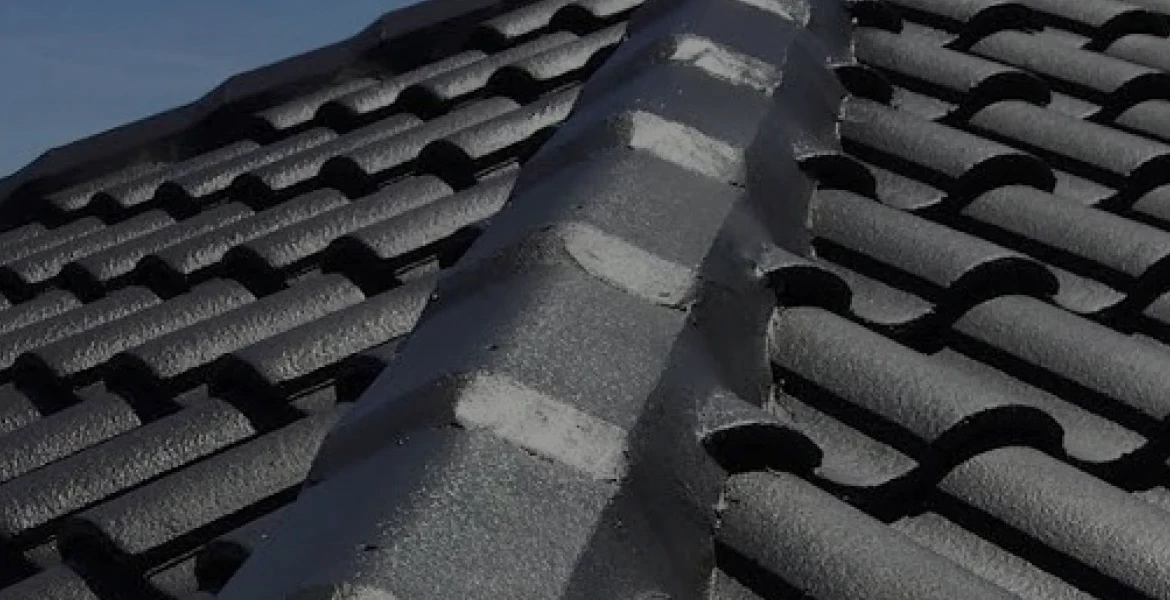
There’s a moment every Central Coast homeowner eventually has. You’re in the driveway, keys in hand, half-thinking about what’s for dinner, and you glance up. Just for a second. And there it is — a patch of moss the size of a dinner plate, a tile sitting slightly crooked like it’s had one too many at the RSL, or a gutter sagging like it’s given up on life.
Then you look back down and keep walking. Because dealing with the roof is a “next weekend” problem. It’s been a “next weekend” problem for about three years now.
Sound familiar? You’re not alone, and it’s not really your fault — roofs are quite good at suffering in silence, right up until they’re not. Out here between the surf, the salt air and the summer storms that roll in like they’ve got somewhere to be, Central Coast roofs get put through more than most. And that’s exactly why we’re writing this: to give you the full, honest picture of what your roof is dealing with, what you should actually do about it, and how a proper local team like Bass Roof Restoration handles it — no jargon, no upselling, just the straight goods.
Grab a cuppa. This one’s worth the read.
Why Central Coast Roofs Cop More Than Their Fair Share
If you’ve lived from Terrigal down to Woy Woy, or up around Wyong and Tuggerah, you already know the Coast has its own personality. Beautiful, sure — but tough on buildings. Three things are working against your roof every single day:
Salt air. Anywhere near the water, airborne salt slowly eats into metal fixings, fascias and Colorbond sheeting. It’s why homes in Terrigal, Avoca Beach and Umina often need attention sooner than roofs further inland.
Humidity and shade. Combine coastal moisture with big overhanging trees (very on-brand for the Coast) and you get the perfect breeding ground for moss, lichen and algae — those green and black patches that aren’t just ugly, they actually hold moisture against your tiles and slowly break them down.
Storm season. Between the summer hail cells and the odd east coast low that dumps half a month’s rain in an afternoon, Central Coast roofs take a physical beating. Cracked tiles, lifted ridge caps and overflowing gutters are basically a seasonal tradition around here.
None of this means your roof is doomed. It means it needs a bit of proactive love — which is really the whole point of this article.
How to Tell Your Roof Is Waving the White Flag
Most roof problems don’t start as emergencies. They start small and get politely ignored until they’re expensive. Here’s what to actually keep an eye out for:
- Water stains on ceilings — even faint yellow-brown rings are a sign moisture is getting through somewhere.
- Moss, lichen or dark streaking on tiles, especially on the shaded southern side of the roof.
- Cracked, slipped or missing tiles, particularly after a storm.
- Crumbling mortar around ridge caps (that grey capping along the roof’s peak).
- Rust spots or peeling paint on Colorbond and metal roofing.
- Granules collecting in gutters, which usually means the protective coating on your tiles or sheets, is wearing thin.
- Sagging or overflowing gutters and fascias, especially during heavy rain.
If you’re nodding along to two or more of those, it’s genuinely worth getting a proper set of eyes on your roof before it turns into a five-figure surprise. A quick chat with the team through our contact page and a free inspection will tell you exactly where you stand — no obligation, no pressure.
What to Do: Repair, Restore, or Replace?
This is where a lot of homeowners get stuck, mostly because plenty of roofers aren’t that fussed about explaining it properly (funnily enough, upselling you the biggest job tends to pay better). Here’s the honest breakdown:
Roof repairs are for targeted problems — a handful of cracked tiles, a leaking flashing, a section of guttering that’s come loose. Quick, affordable, and the right call when the rest of the roof is in decent shape. You can see exactly what’s covered on our roof repairs page.
Roof restoration is the full works — cleaning, repairing, re-bedding and re-pointing ridge caps, sealing and repainting. It’s the sweet spot for roofs that are structurally sound but tired-looking or ageing, and it can realistically add another 10 to 15 years of life to your roof for a fraction of what a full replacement costs.
Roof replacement only really comes into play when a roof is beyond saving — widespread rust, sagging, or tiles that are more crack than tile. In most cases, especially on tile roofs, that’s the exception rather than the rule.
The team can walk you through which category your roof falls into after a proper inspection — you can find the complete list of what’s on offer over on our roof services page.
Terracotta, Cement, or Colorbond — What’s Under Your Feet?
Central Coast homes are a real mixed bag of roofing types, and each one has its own quirks.
Terracotta tiles are the classic — beautiful, durable, and can genuinely last 50-plus years if they’re looked after. But the clay is porous, which means it soaks up grime, moss and salt air over time and loses that rich, glazed look. A proper terracotta roof restoration strips back the years of build-up, replaces any cracked tiles, and reseals the surface so it sheds water (and looks flash) again.
Cement tiles are the Coast’s other big favourite — tough as nails, but they’re prone to a chalky, faded look as the surface coating wears away, and they can become porous with age. A cement roof restoration brings back that factory-fresh finish and, more importantly, restores the waterproof seal that keeps your ceiling dry.
Colorbond and metal roofing are increasingly popular for good reason — light, strong, and great in a bushfire zone. But near the water, rust and coating breakdown are real risks. If yours is past its best, a proper Colorbond metal roof replacement is a smart, long-term upgrade rather than a patch-up job.
Whatever’s over your head, the fix usually isn’t “rip it all off and start again” — it’s proper restoration done by people who understand the material.
The Bass Roof Restoration Process (a.k.a. How We Actually Help)
We’re not big fans of the mystery-box approach some roofers take, where you’re told “we’ll sort it” and then handed a bill that reads like a foreign language. Here’s exactly how a Bass Roof Restoration job runs, start to finish:
- Free, thorough inspection. We get up there (so you don’t have to) and check for moss, algae, cracked tiles, rust, water damage and anything else lurking.
- Honest recommendation. You get a clear explanation of what’s actually needed — repair, restoration, painting, or something more — with no upselling and no scare tactics.
- High-pressure roof cleaning. Years of grime, moss and lichen get blasted off, which alone can make an old roof look ten years younger. Full details are on our roof cleaning page.
- Repairs and re-bedding. Cracked or broken tiles are replaced, and ridge capping is re-bedded and re-pointed with fresh mortar or a flexible pointing system.
- Sealing and priming. A protective sealer locks out moisture and gives the paint something proper to grip onto.
- Premium roof painting. Two coats of quality, UV and salt-resistant coating go on — this is where the transformation really happens. Have a look at what’s involved on our roof painting page.
- Gutters and fascias. If your guttering’s had it, we’ll sort a clean, watertight fascia and gutter replacement so water actually goes where it’s supposed to.
- Final walkthrough. We show you the finished job, answer any questions, and leave the site as tidy as we found it (tidier, honestly).
Every job comes backed by a solid warranty, because a restoration that doesn’t last isn’t really a restoration — it’s just an expensive photo opportunity.
Why You Should Actually Use a Professional Roofer (and Not Your Brother-in-Law)
Look, we get the appeal of a mate with a pressure washer and a Saturday free. But roofing is one of those jobs where the cheap option can end up being the expensive one. A few reasons it pays to bring in professional roofers on the Central Coast:
- Safety. Roof work is genuinely dangerous. Licensed, insured roofers know how to work at height properly — DIY roof jobs are one of the more common causes of serious home accidents in Australia.
- The right products for the coast. Not every paint or sealant is rated for salt air and UV exposure. Using the wrong product means you’re redoing the job in three years, not fifteen.
- Spotting what you can’t see from the ground. A cracked ridge cap or a hairline crack in a tile is invisible from the backyard but obvious once you’re up there.
- Warranty and accountability. If something goes wrong six months later, a professional outfit fixes it. A mate with a ladder generally doesn’t.
- It actually adds value. A freshly restored roof is one of the few home upgrades that genuinely lift kerb appeal and resale value — real estate agents will tell you the same thing.
The Benefits: Why Bother With Roof Maintenance At All?
Roof maintenance is a bit like going to the dentist — nobody’s excited about it, but skipping it for a decade is how you end up with a much bigger, much more painful bill. Regular roof maintenance services on the Central Coast genuinely pay for themselves:
- Prevents small problems becoming big ones. A $300 tile fix now beats a $9,000 ceiling repair later.
- Extends the life of your roof by 10 to 15 years or more, delaying a full and costly replacement.
- Keeps your energy bills in check — a clean, well-sealed roof reflects heat better, which matters a lot in a Central Coast summer.
- Protects your gutters and fascias, reducing the risk of water damage to eaves and walls.
- Boosts kerb appeal and resale value, especially if you’re thinking about selling anywhere from Gosford to Wyong.
- Peace of mind during storm season, knowing your roof isn’t going to let you down when it matters most.
Proudly Local: Serving the Whole Central Coast
From The Entrance and Terrigal down through Erina, Gosford, Woy Woy and Umina, right up to Tuggerah, Wyong and Toukley — Bass Roof Restoration has spent over two decades working on roofs across the region. We’re a family-owned Australian business, which means when you call, you’re actually talking to people who live and work here too, not a call centre three states away.
Curious what our work actually looks like once the tarps come off? Have a browse through our work portfolio for a proper look at before-and-afters from real Central Coast homes. We also share plenty of practical roofing tips and local insights over on our blog, if you’re keen to keep learning.
Frequently Asked Questions
How often should I get my roof inspected? As a general rule, every two years — and always after a major storm. Coastal roofs, given the salt air and humidity, sometimes benefit from a check-up a little more often.
How much does roof restoration cost on the Central Coast? It varies with roof size, pitch, material and condition, but most restorations land somewhere in the low-to-mid thousands. The only way to get an accurate figure is a proper on-site inspection — we provide free, no-obligation quotes.
How long does a roof restoration take? Most jobs take two to four days, weather depending. We’ll always keep you in the loop if conditions push the timeline.
Is roof restoration cheaper than replacement? In most cases, yes — significantly. Restoration typically costs a fraction of a full re-roof and can add well over a decade to your roof’s life, provided the underlying structure is sound.
Do you work on both tile and metal roofs? Yes. We handle terracotta, cement tile and Colorbond metal roofs, along with gutter and fascia work, across residential, strata and commercial properties.
What suburbs do you service? The full Central Coast — including The Entrance, Terrigal, Gosford, Erina, Woy Woy, Umina Beach, Avoca Beach, Tuggerah, Wyong, Toukley and everywhere in between.
Do I need council approval for a roof restoration? Generally no, since restoration doesn’t change the roof’s structure or footprint. Full replacements or material changes can sometimes require approval — we’ll flag it if yours does.
The Bottom Line
Your roof isn’t asking for much — just a bit of attention before “later” turns into “urgent.” Whether it’s a full terracotta restoration, a Colorbond upgrade, a proper roof clean, or simply sorting out gutters that have seen better days, getting it handled properly by professional roofers on the Central Coast will save you money, stress and quite a few grey hairs down the track.
So next time you catch yourself glancing up at the roof and pretending you didn’t see anything — don’t. Give Bass Roof Restoration a call, book your free inspection through our contact us page, and let’s actually deal with it. Your future self (and your ceiling) will thank you.